1
0
0
Integrating Low-Carbon Technologies in Asphalt Drum Mixing and Mobile Asphalt Plants
Against the backdrop of global low-carbon infrastructure development, manufacturers are increasingly focused on integrating shared low-carbon technologies into asphalt drum mixing plants and mobile asphalt plants. This strategic move aims to achieve synergistic emission reduction while meeting strict environmental standards. Understanding how these technologies are leveraged can provide valuable insights for contractors and operators committed to sustainability.
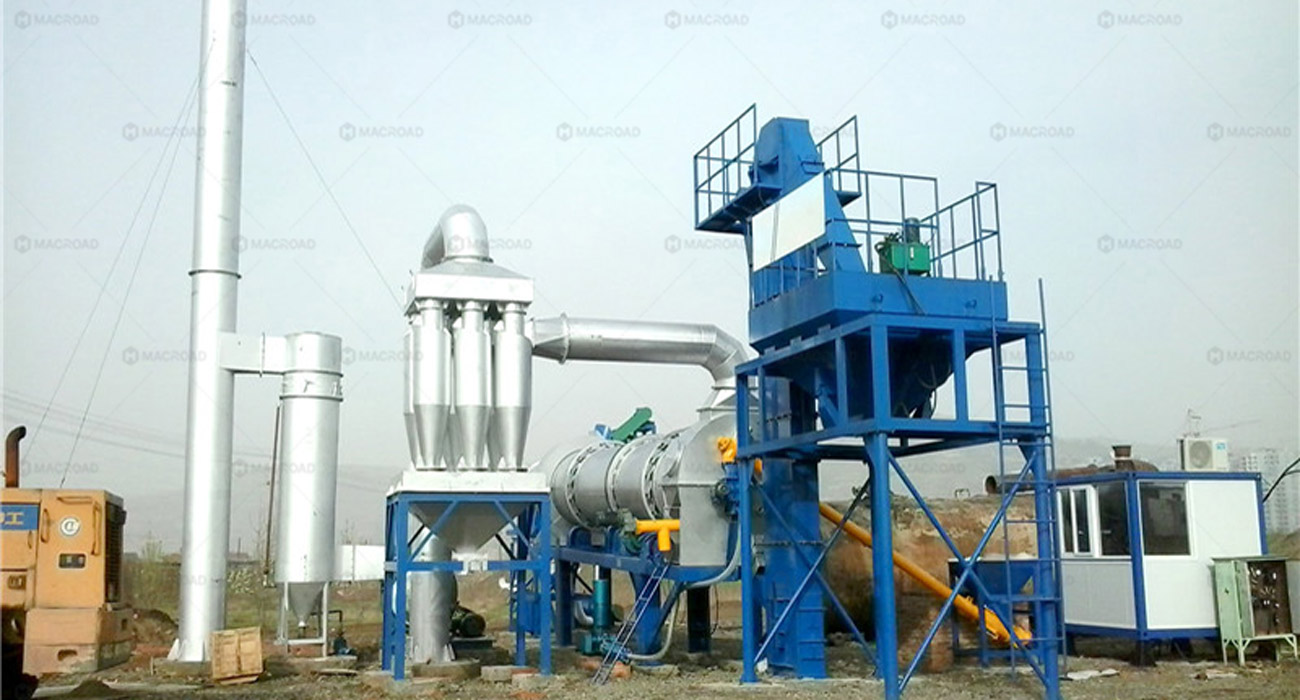
The Role of Waste Heat Recovery Systems
One of the key innovations in asphalt drum mixing plants and mobile asphalt plants is the adoption of waste heat recovery systems. These systems capture excess heat generated during the asphalt production process and redirect it for reuse, significantly improving energy efficiency.
By recycling this waste heat, manufacturers can substantially reduce fuel consumption, which is a major contributor to emissions. For contractors, this means lower operational costs, as less energy is required to maintain the necessary production temperatures. The implementation of waste heat recovery not only enhances productivity but also aligns operations with environmental standards, fostering a greener image for businesses in the industry.
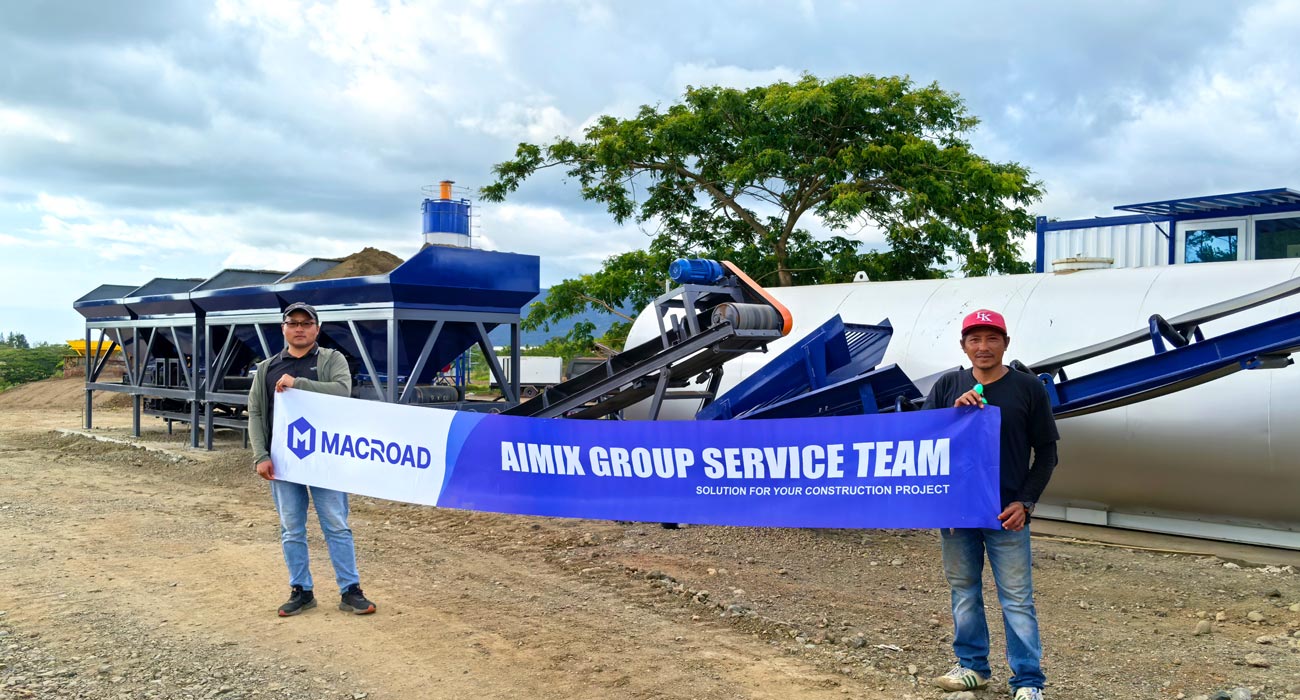
Incorporating RAP Utilization Systems
Another vital component of low-carbon technology integration is the use of RAP (Recycled Asphalt Pavement) utilization systems. These systems make it possible to incorporate recycled materials back into the asphalt production process, reducing the need for virgin materials.
The environmental benefits of using RAP are significant: it minimizes landfill waste and lowers carbon emissions associated with the extraction and transportation of raw materials. As manufacturers develop asphalt drum mixing plant that efficiently utilize RAP, contractors can produce high-quality asphalt while contributing to sustainable construction practices. This capability not only meets regulatory requirements but also enhances a contractor's reputation as an eco-conscious operator.
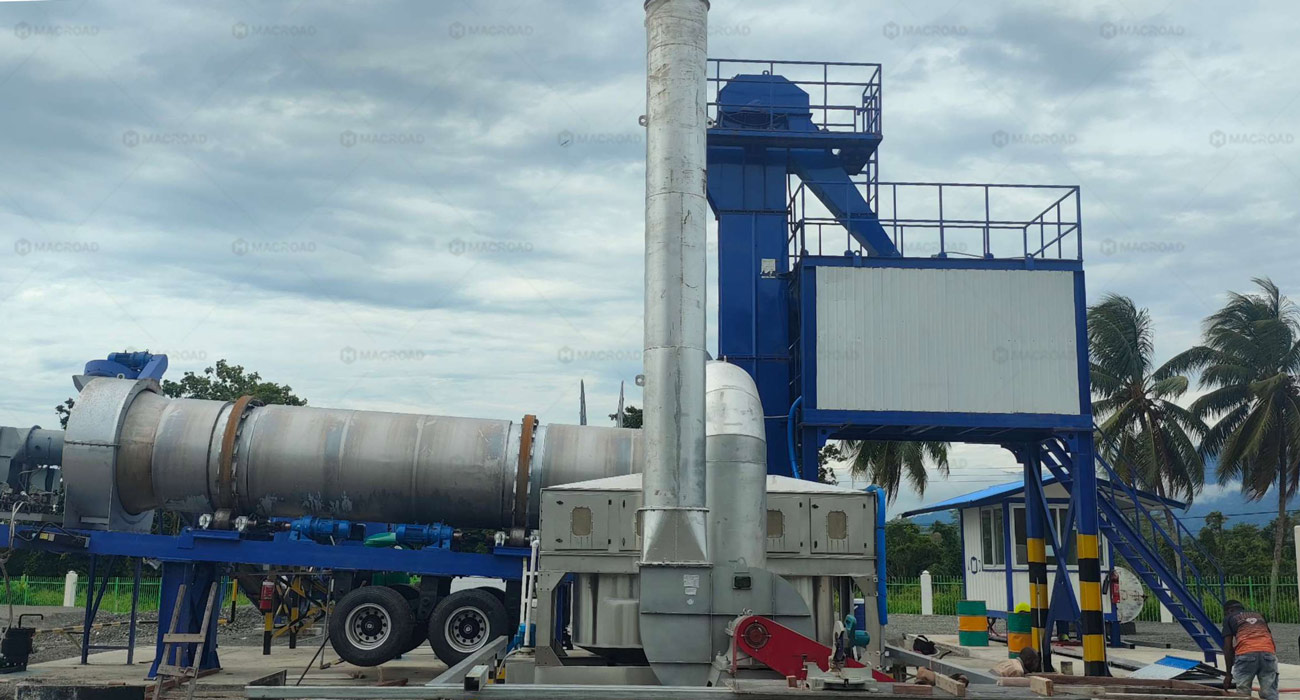
Synergistic Emission Reductions
The combined implementation of waste heat recovery systems and RAP utilization creates a synergistic effect in emission reductions. By addressing multiple aspects of the production process, manufacturers can achieve greater overall efficiency and lower emissions than if these technologies were applied in isolation.
For instance, using waste heat to enhance the processing of RAP can improve the quality and consistency of the finished asphalt product. This holistic approach allows asphalt producers to optimize their operations while ensuring compliance with increasingly stringent environmental standards. As contractors pursue projects that align with low-carbon initiatives, having access to such integrated solutions becomes a competitive advantage.
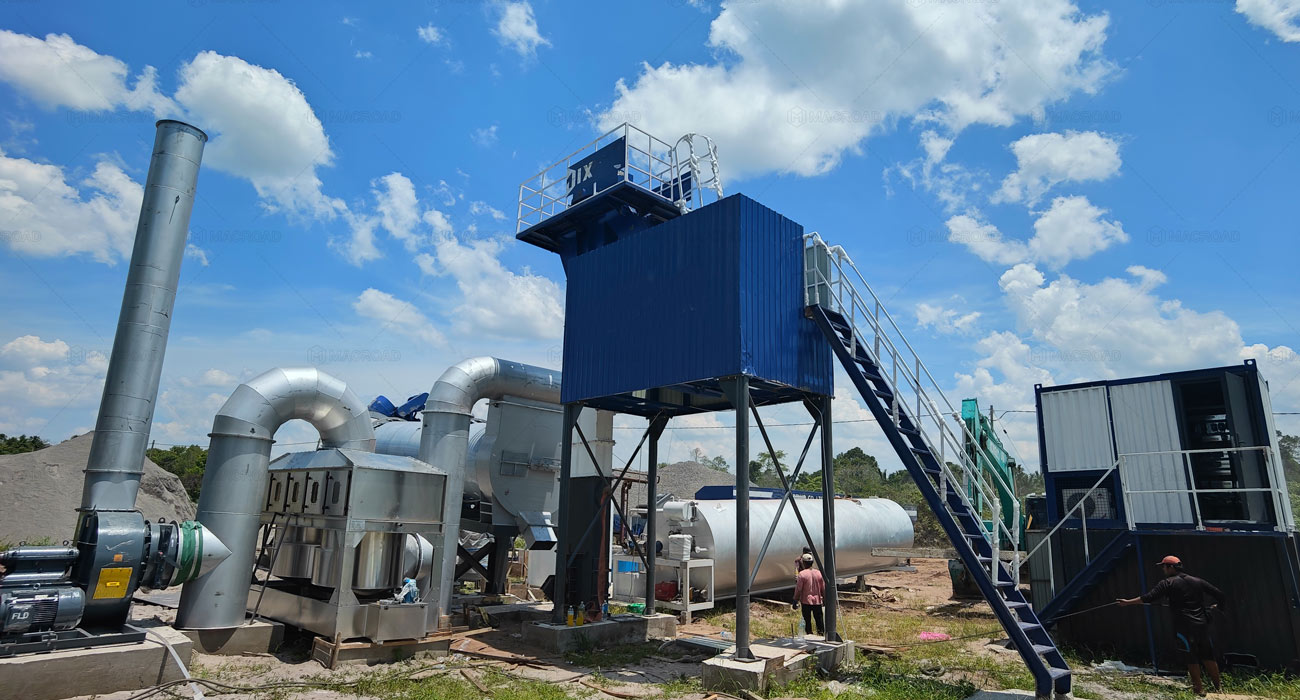
Meeting Strict Environmental Standards
In today’s construction landscape, adherence to strict environmental standards is non-negotiable. Manufacturers responding to these demands are building asphalt drum mixing plants and mobile asphalt plants equipped with advanced low-carbon technologies. This proactive approach not only helps meet compliance requirements but also positions manufacturers and their clients favorably with regulators and environmentally conscious customers.
Investing in plants featuring integrated low-carbon technologies allows contractors to demonstrate their commitment to sustainability, potentially opening doors to new business opportunities. Furthermore, with public and governmental pressure increasing for greener infrastructure, possessing such capabilities can provide a significant edge in securing contracts and building partnerships.
Conclusion
In conclusion, the integration of shared low-carbon technologies into asphalt drum mixing plants and mobile asphalt plants represents a critical step forward in aligning with global low-carbon infrastructure goals. By utilizing waste heat recovery systems and RAP utilization systems, manufacturers are enhancing energy efficiency and reducing emissions. This forward-thinking approach not only facilitates compliance with strict environmental standards but also offers contractors a competitive advantage in an increasingly eco-conscious marketplace. As the industry moves towards more sustainable practices, these technologies will play a pivotal role in shaping the future of asphalt production.
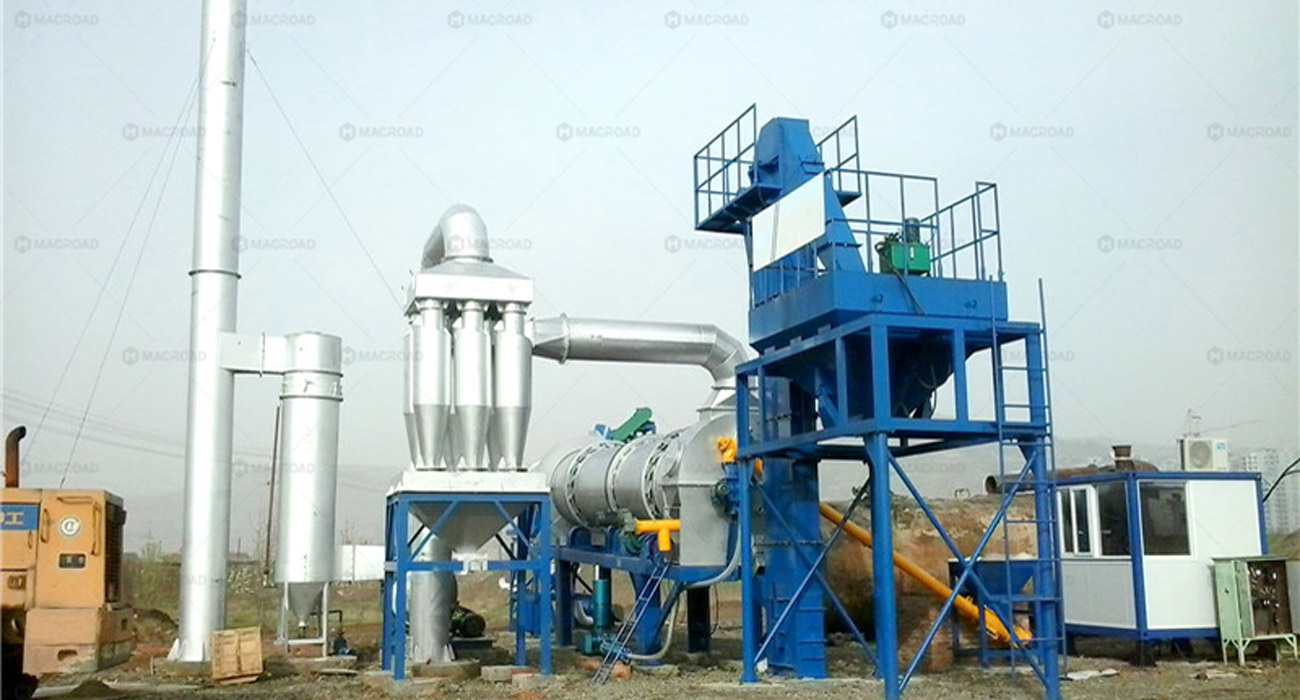
The Role of Waste Heat Recovery Systems
One of the key innovations in asphalt drum mixing plants and mobile asphalt plants is the adoption of waste heat recovery systems. These systems capture excess heat generated during the asphalt production process and redirect it for reuse, significantly improving energy efficiency.
By recycling this waste heat, manufacturers can substantially reduce fuel consumption, which is a major contributor to emissions. For contractors, this means lower operational costs, as less energy is required to maintain the necessary production temperatures. The implementation of waste heat recovery not only enhances productivity but also aligns operations with environmental standards, fostering a greener image for businesses in the industry.
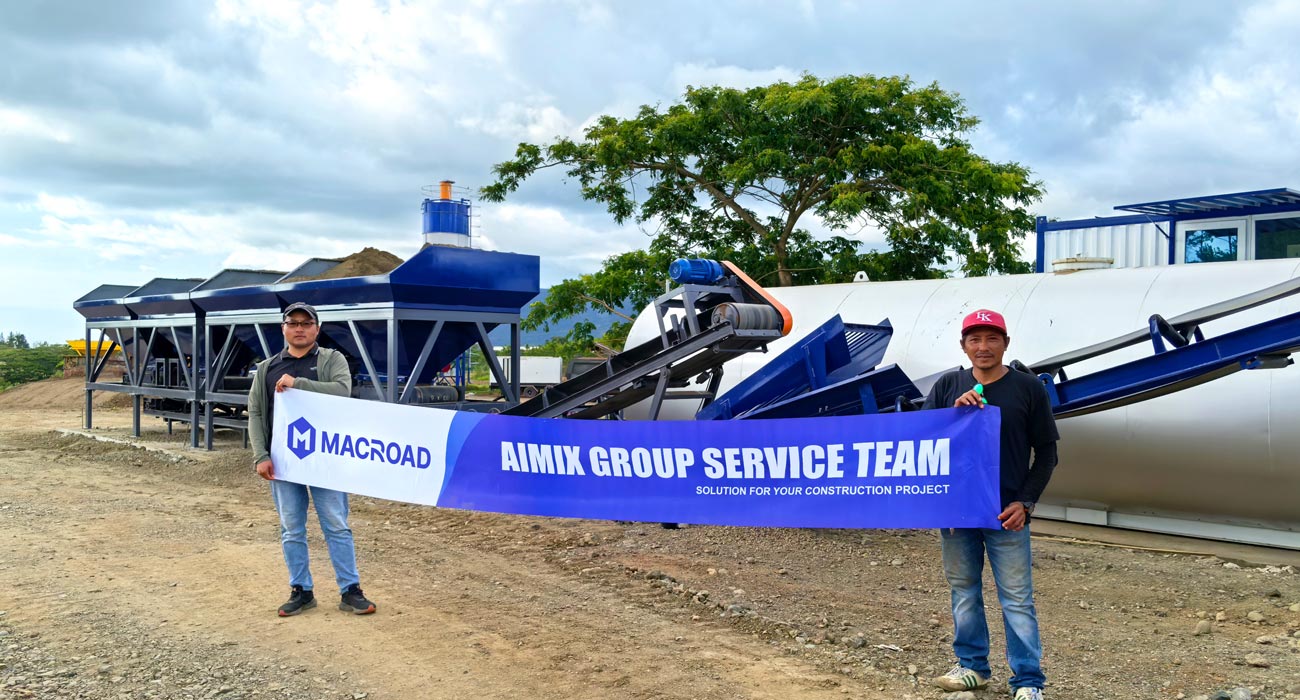
Incorporating RAP Utilization Systems
Another vital component of low-carbon technology integration is the use of RAP (Recycled Asphalt Pavement) utilization systems. These systems make it possible to incorporate recycled materials back into the asphalt production process, reducing the need for virgin materials.
The environmental benefits of using RAP are significant: it minimizes landfill waste and lowers carbon emissions associated with the extraction and transportation of raw materials. As manufacturers develop asphalt drum mixing plant that efficiently utilize RAP, contractors can produce high-quality asphalt while contributing to sustainable construction practices. This capability not only meets regulatory requirements but also enhances a contractor's reputation as an eco-conscious operator.
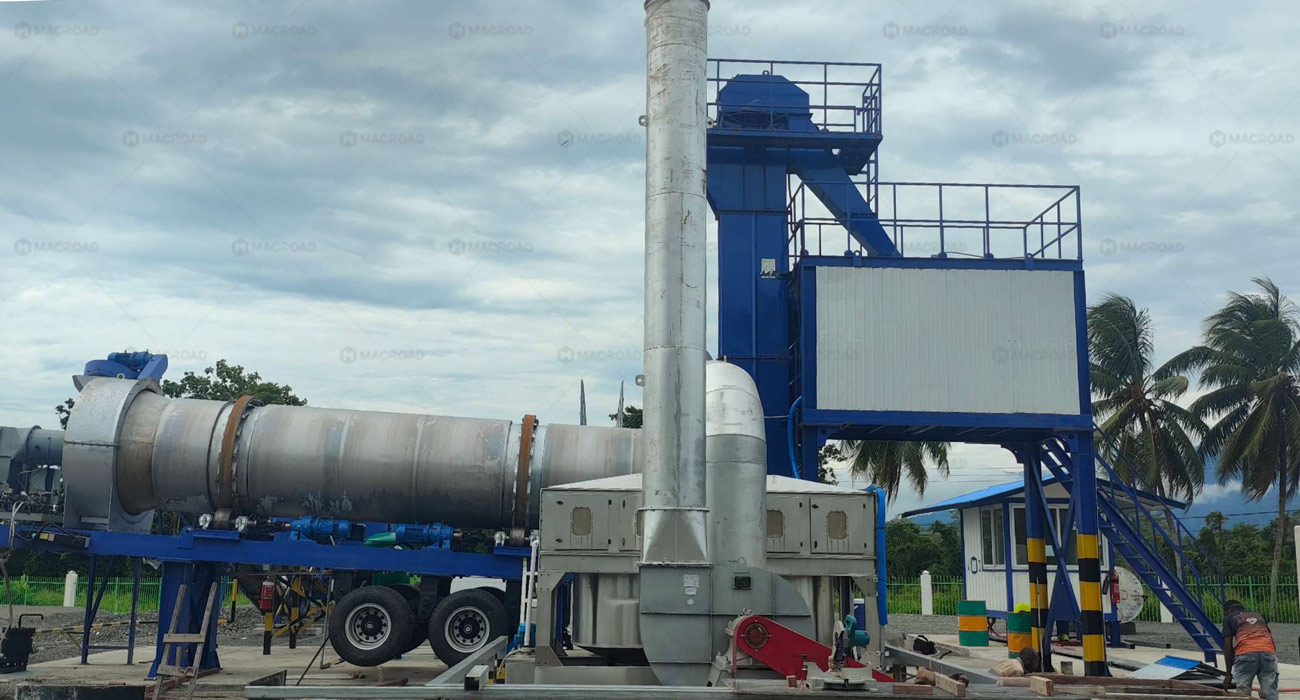
Synergistic Emission Reductions
The combined implementation of waste heat recovery systems and RAP utilization creates a synergistic effect in emission reductions. By addressing multiple aspects of the production process, manufacturers can achieve greater overall efficiency and lower emissions than if these technologies were applied in isolation.
For instance, using waste heat to enhance the processing of RAP can improve the quality and consistency of the finished asphalt product. This holistic approach allows asphalt producers to optimize their operations while ensuring compliance with increasingly stringent environmental standards. As contractors pursue projects that align with low-carbon initiatives, having access to such integrated solutions becomes a competitive advantage.
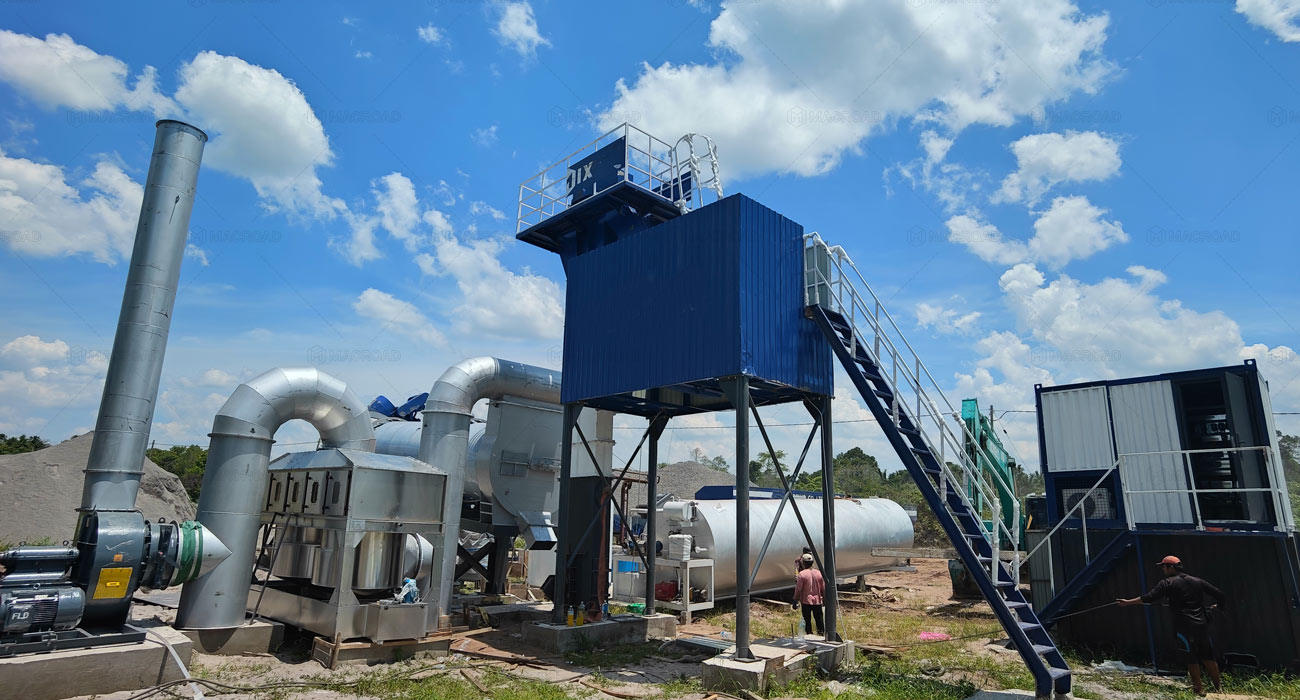
Meeting Strict Environmental Standards
In today’s construction landscape, adherence to strict environmental standards is non-negotiable. Manufacturers responding to these demands are building asphalt drum mixing plants and mobile asphalt plants equipped with advanced low-carbon technologies. This proactive approach not only helps meet compliance requirements but also positions manufacturers and their clients favorably with regulators and environmentally conscious customers.
Investing in plants featuring integrated low-carbon technologies allows contractors to demonstrate their commitment to sustainability, potentially opening doors to new business opportunities. Furthermore, with public and governmental pressure increasing for greener infrastructure, possessing such capabilities can provide a significant edge in securing contracts and building partnerships.
Conclusion
In conclusion, the integration of shared low-carbon technologies into asphalt drum mixing plants and mobile asphalt plants represents a critical step forward in aligning with global low-carbon infrastructure goals. By utilizing waste heat recovery systems and RAP utilization systems, manufacturers are enhancing energy efficiency and reducing emissions. This forward-thinking approach not only facilitates compliance with strict environmental standards but also offers contractors a competitive advantage in an increasingly eco-conscious marketplace. As the industry moves towards more sustainable practices, these technologies will play a pivotal role in shaping the future of asphalt production.